


How Wellness and Empowerment Courses Support Stronger Community Wellbeing
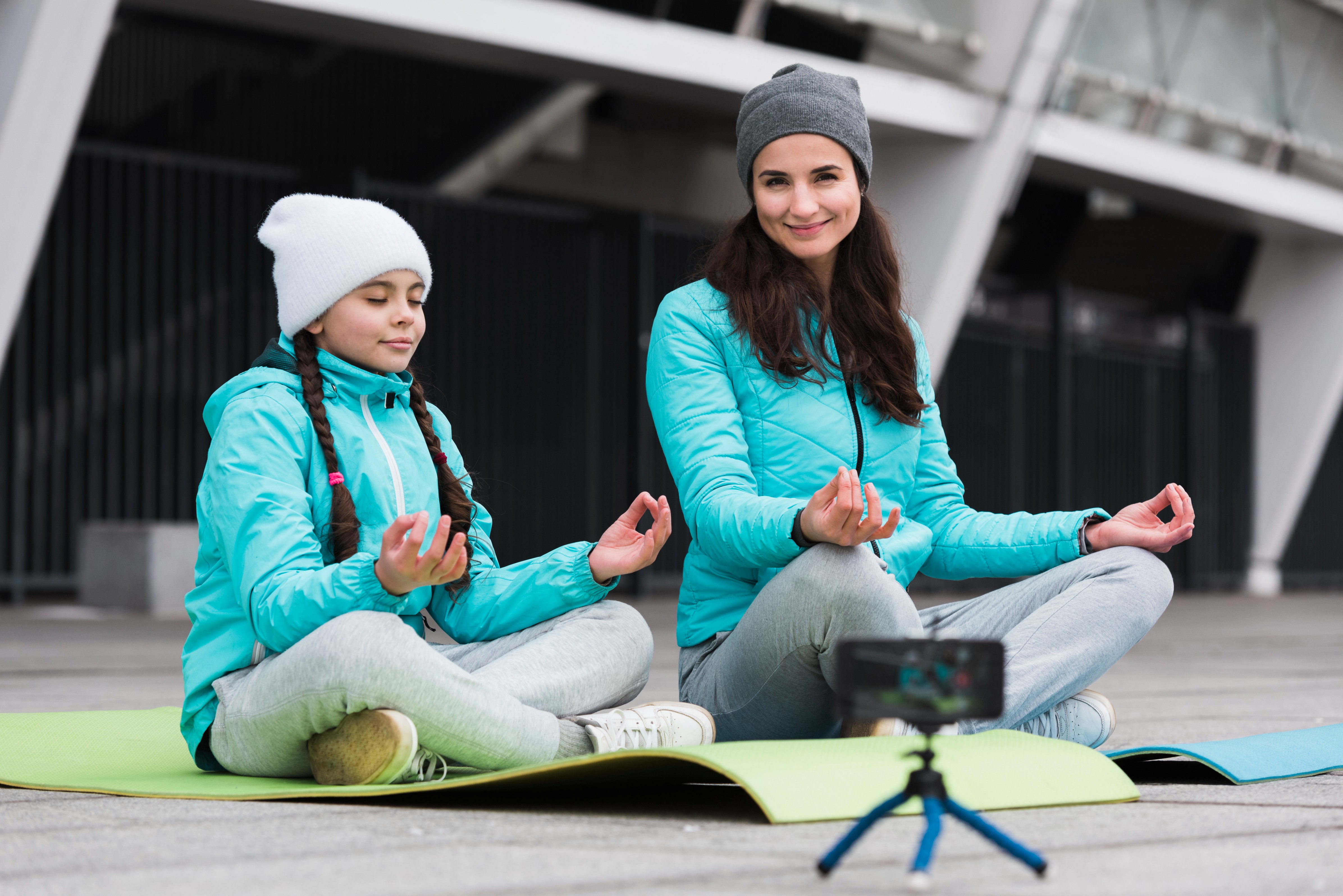
Communities grow stronger when individuals have access to knowledge, support and structured opportunities for personal development. Many learners are now turning to wellness and empowerment courses to build confidence, resilience and a deeper understanding of their role in contributing to community wellbeing. In the introduction, it is important to recognise the value and relevance of wellness and empowerment courses, as these programs help people reflect on their personal experiences, develop practical wellbeing strategies and find purpose in contributing positively to the world around them. The increased interest in wellness and empowerment courses highlights a growing awareness that wellbeing is not only personal but also collective, with every individual playing a part in shaping a supportive community environment.
Wellness and empowerment courses help participants explore self awareness, communication, emotional stability and positive decision making. These areas of learning support stronger relationships and healthier social interactions. As communities face shifts in technology, work patterns and lifestyle demands, individuals need skills that allow them to handle stress, connect meaningfully and contribute with confidence. These courses guide learners through tools and reflective techniques that help them understand their personal strengths and challenges. By developing these insights, participants become more equipped to navigate everyday situations with clarity.
A significant benefit is the focus on empowerment. When individuals feel capable and confident, they are more likely to engage in community activities, support others and advocate for positive social change. Wellness and empowerment courses provide structured learning opportunities that help people build this sense of capability, and learners can explore these wellness and empowerment course options to understand how such programs support personal and community growth.
Why Wellness and Empowerment Courses Matter for Modern Learners
Wellbeing education has become essential in today’s changing world. Many people experience increased pressure at work, in the home or within social environments. Learning how to manage emotional responses, build supportive habits and communicate effectively can improve both personal and community outcomes.
Modern learners appreciate courses that allow for flexibility, reflection and practical activities. Wellness and empowerment courses are designed to support different learning styles and personal circumstances, while also encouraging self directed growth. This makes them accessible to learners who want to enhance their wellbeing without committing to rigid study formats.
These courses also help individuals understand how their wellbeing contributes to community wellbeing. When people are confident, informed and emotionally balanced, they tend to interact more positively with others. Their ability to contribute constructively strengthens the social foundation of communities.
Some key benefits learners often gain include:
- Skills that build personal resilience and emotional awareness
- Greater confidence in communication and decision making
Improved understanding of how individual wellbeing influences community health
- Practical tools for self development and goal setting
Wellness education also encourages individuals to consider the broader social impact of their actions. Exploring resources from Blueprint Community Development further supports this awareness, helping create communities built on respect, cooperation and shared responsibility.
How Wellness and Empowerment Courses Strengthen Community Wellbeing
Community wellbeing depends on the ability of individuals to support one another, communicate openly and understand shared challenges. Wellness and empowerment courses help students develop the interpersonal skills needed to contribute to these goals.
Strengthening Emotional Awareness
Understanding emotions allows individuals to recognise stress, manage conflict and support others appropriately. Courses often include reflective activities, discussions and strategies that help participants explore their emotional patterns. This leads to stronger relationships and more balanced interactions within communities.
Encouraging Confident Participation
Empowered individuals are more likely to contribute their ideas, volunteer in community programs and engage in positive initiatives. Courses that focus on empowerment help learners develop a sense of identity and purpose, which enhances community participation.
Supporting Inclusive Communication
Effective communication is vital for healthy communities. Wellness and empowerment courses guide learners in developing active listening skills, respectful expression and collaborative approaches. These skills reduce social tension and support constructive dialogue.
Building Social Awareness
Learners explore themes such as respect, diversity, community values and shared responsibility. This supports a more unified community identity and promotes understanding between different groups.
Personal Development Through Wellness and Empowerment Courses
Personal development is a central theme in these courses, helping learners grow in knowledge and confidence. The content focuses on building self understanding and identifying areas for improvement. These courses help individuals create personal strategies that support sustainable wellbeing.
Learners often engage with topics such as goal setting, time management, emotional regulation and healthy relationships. By developing these capabilities, they become better equipped to manage personal challenges and contribute positively to social environments.
Wellness and empowerment courses support long term growth by encouraging learners to:
- Reflect on personal habits and patterns
- Set realistic wellbeing goals
- Strengthen interpersonal skills
- Maintain consistent self care practices
When individuals build strong personal foundations, they are better positioned to support others and encourage positive community dynamics.
Empowerment as a Social Impact Tool
Empowerment contributes to stronger communities by helping individuals recognise their ability to create change. When people feel empowered, they actively seek solutions, support friends and family, and advocate for wellbeing initiatives. Empowered individuals often take on leadership roles or contribute to community projects.
Wellness and empowerment courses provide guidance on understanding personal rights, responsibilities and choices. They help learners explore what empowerment means and how their actions influence those around them. This deeper understanding encourages thoughtful and respectful community participation.
The Role of Wellness and Empowerment Courses in Strengthening Community Connections
Community wellbeing is influenced by the quality of relationships and the level of trust between individuals. Wellness and empowerment courses contribute to stronger connections by promoting empathy, understanding and shared responsibility.
Learners gain skills that help them navigate social interactions with patience and clarity. They learn how to support others and maintain positive connections even during challenging times. These skills play a crucial role in creating communities that feel safe, respectful and inclusive.
Strong community connections are also essential for reducing isolation. Wellness education highlights the importance of social support, encouraging individuals to build strong networks and participate in collective activities that promote wellbeing.
Flexible Learning for Diverse Community Needs
Wellness and empowerment courses are suitable for a wide range of learners. Individuals from different backgrounds and age groups can engage with the material at a pace that suits them. The flexible approach supports working adults, students, carers and others who want wellbeing education without strict attendance requirements.
This accessibility helps broaden community participation, ensuring that more people have access to tools that promote wellbeing and empowerment. When learning opportunities are inclusive, communities become stronger, healthier and more resilient.
Conclusion
Wellness and empowerment courses play a meaningful role in strengthening both personal and community wellbeing. By helping individuals build emotional awareness, communication skills and confidence, these programs encourage people to participate more actively in their communities. Learners gain practical strategies that support resilience, self-understanding and thoughtful decision making, all of which contribute to healthier social environments.
As individuals apply these skills in everyday situations, communities benefit from improved connections, stronger support networks and a greater sense of shared responsibility. This creates a foundation where people can contribute positively, respond to challenges with clarity and maintain relationships built on respect and cooperation. Those interested in further reading on wellbeing education and community development can explore additional insights through this collection of community wellbeing articles available on the Blueprint Community Development blog.
Frequently Asked Questions
1. Are wellness and empowerment courses suitable for beginners
Yes. These courses are designed to support learners with all levels of experience and provide clear guidance on wellbeing and personal growth.
2. Do these courses help with emotional resilience
Yes. Learners develop skills in emotional awareness, stress management and reflective thinking, which strengthens resilience.
3. Can wellness and empowerment education improve community relationships
Yes. By improving communication, empathy and awareness, these courses help individuals contribute to more positive community interactions.
4. Is flexible learning available for wellness and empowerment courses
Yes. Many programs are structured to suit a range of schedules, making them accessible to learners with different commitments.
5. Do wellness and empowerment courses support long term personal development
Yes. They encourage ongoing self reflection, skill building and mindfulness practices that contribute to long term wellbeing.